
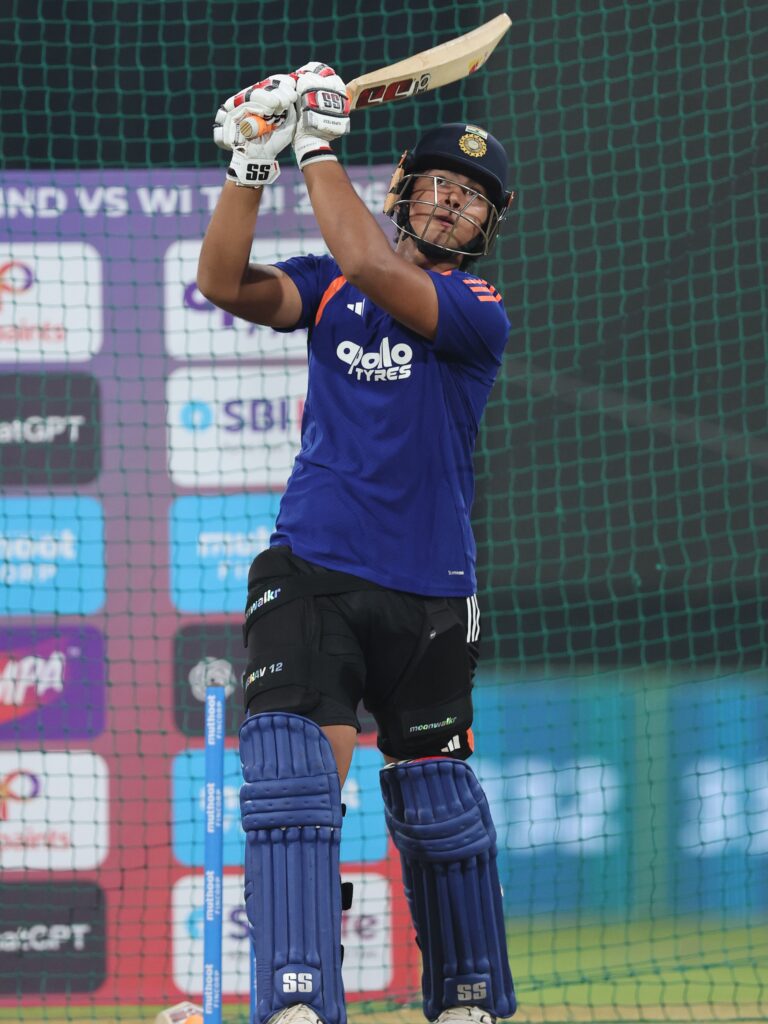
Three days after helping India race through a chase in Wellington, Vaibhav Sooryavanshi was back outside the playing XI. His 45 off 19 balls against New Zealand on October 27 had supplied precisely the kind of attacking start that makes him such a compelling prospect. It did not, however, guarantee him a place in the next match.
For the fourth T20 international in Auckland on October 30, India brought back Ishan Kishan. Captain Shreyas Iyer confirmed the change at the toss. The immediate explanation was a returning player reclaiming a place, rather than a publicly announced verdict against Sooryavanshi’s batting.
Two Opportunities, Two Different Roles
Sooryavanshi was already part of India’s squad for this series. The question concerns his place among the eleven who play, not whether he has been selected for the national team.
Kishan’s injury created an opening. The BCCI said on October 23 that he had suffered an adductor strain during the first match and would miss the second. Sooryavanshi came into the side in Christchurch, batted at No. 3 and made four from eight balls.
Wellington brought a different assignment. He opened alongside Abhishek Sharma, with Sanju Samson moving to third. The new pairing put India in control: Sooryavanshi hit four fours and four sixes, and India reached 118 without loss in the six-over powerplay. Their first-wicket stand ended at 133 when he was dismissed. Abhishek went on to make 113, and India completed the chase of 199 with six wickets remaining.
That sequence matters. The debate is about how India can give a young, aggressive batter a sustained role when their preferred combination is available, rather than whether one memorable innings should settle every selection decision.
What India’s Captain Has Said
Before the series, Iyer had pointed to the performances of established openers Abhishek and Samson when discussing Sooryavanshi’s opportunities. He also spoke about the value of travelling with the team and learning unfamiliar overseas conditions.
Those comments explain the broader approach the captain had outlined. They do not establish every consideration behind the Auckland XI. Nor should an absence be presented as punishment, a fitness problem for Sooryavanshi, or evidence that India have abandoned their plans for him.
The Question Is a Regular Role
A place in India’s T20 squad is not the same as an established place in the playing XI. Sooryavanshi’s opportunities across this series show that distinction: he has delivered a forceful innings, but a regular role remains unsettled.
For now, Wellington demonstrated what Sooryavanshi can offer at the top. Auckland demonstrated the competition for those places. His progress is best judged through the opportunities he receives and the role he is asked to perform, without turning each team sheet into a final judgment on his future.
Sources
- BCCI: India squads
- BCCI: Ishan Kishan injury update
- New Zealand Cricket: first T20I scorecard
- New Zealand Cricket: second T20I scorecard
- New Zealand Cricket: third T20I scorecard
- New Zealand Cricket: fourth T20I scorecard
- Times of India: fourth-match team change
- Times of India: Shreyas Iyer on opportunities