
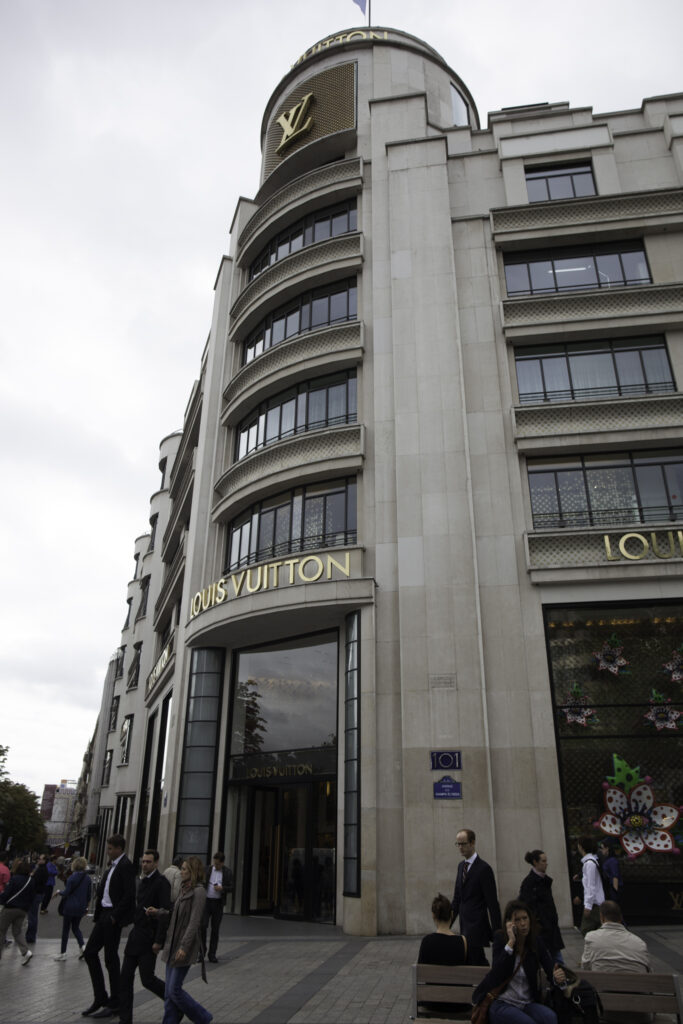
Luxury is not moving at one speed. LVMH’s results, published on 12 October, show why the word recovery can conceal very different experiences across the same group. Third-quarter organic revenue rose 1%, while fashion and leather goods declined 5%. Watches and jewellery grew 6%, and selective retailing grew 8%.
Those numbers do not tell us that people have stopped wanting luxury. They tell us to ask a more precise question: which kind of luxury, bought where, and for what reason?
A logo is not a single market
According to LVMH’s announcement, softer Chinese demand affected fashion and leather goods during the quarter. The group also reported stronger activity in the United States, Europe and Japan.
That is the useful distinction for anyone following famous brands. A highly visible campaign or collection does not mean every part of a business is experiencing the same demand. Geography, product category and the comparison period all shape the result.
Creativity and sales answer different questions
A runway show is designed to express a house’s point of view. A revenue report measures what happened across a much wider commercial operation. Treating one as a shortcut to the other can produce a misleading story.
An admired collection may influence the way a brand is discussed long before its effect can be isolated in sales. Equally, a difficult quarter does not prove that a designer’s work has failed. Our view is that fashion coverage becomes more useful when it keeps those questions separate instead of turning every financial movement into a creative verdict.
Why beauty and jewellery complicate the picture
The reported differences between categories are a reminder that luxury purchases serve different purposes. A fragrance, a piece of jewellery and a handbag are not interchangeable decisions, even when they share a parent company.
It would be speculative to assign one motive to millions of customers from these figures alone. But the spread in performance gives an editor a better starting point than a sweeping declaration that luxury is either booming or over. The meaningful story is the contrast, and what further evidence might explain it.
Read the numbers without losing the culture
For Famous readers, the value of a results announcement is not a share-price prediction. It is a chance to look beyond the fashion image and understand the different businesses behind it.
The report also distinguishes organic growth from reported growth, which is affected by factors such as currency movements and changes in the group’s scope. Comparing unlike measures can make the same business appear to tell contradictory stories.
The takeaway is simple: follow the category as closely as the celebrity campaign. Luxury remains a powerful cultural language, but its commercial reality is more fragmented than a single headline can capture. A useful conversation starts by acknowledging that difference.